
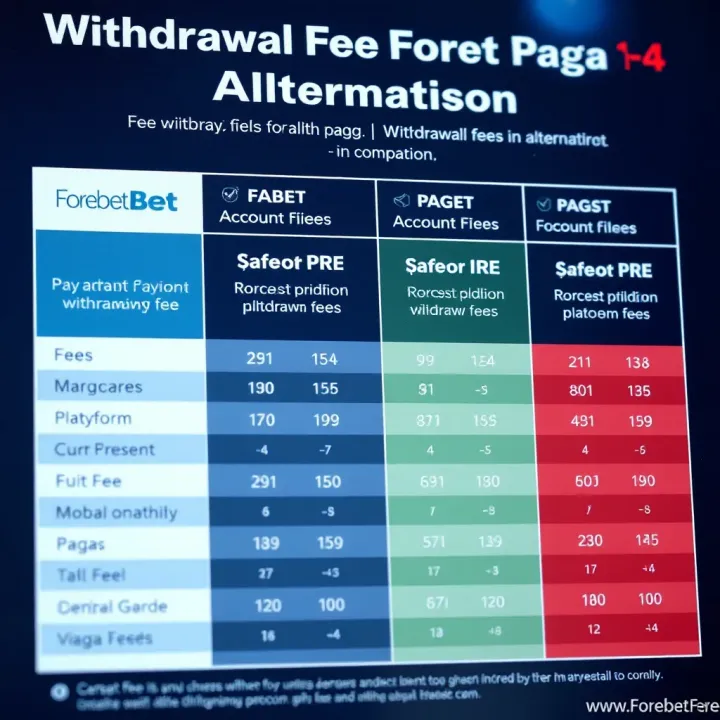
Understanding Forebet Paga Withdrawal Fees in Nigeria
Learn how much Forebet Paga charges for withdrawals in Nigeria 💰, how to cut costs, compare fees with other methods, and master the easy withdrawal steps today!
Edited By
Aisha Yusuf
When funding your Forebet Paga account, understanding the deposit fees can save you from unexpected deductions. Forebet Paga offers Nigerian users several payment options, each with its own fee structure. Knowing how these fees apply helps you make the most of your funds.
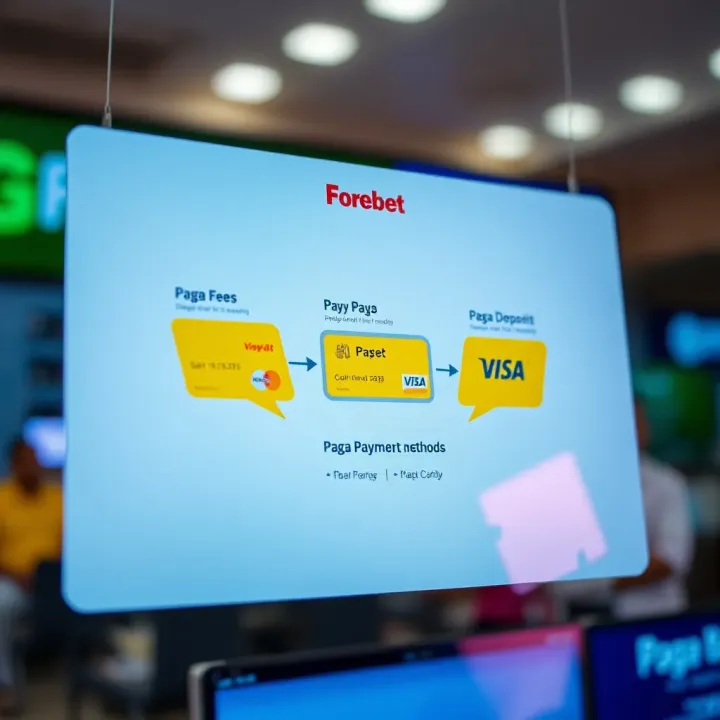
Forebet Paga typically charges a small percentage as a deposit fee. This fee depends on the method you choose:
Bank Transfers: Generally, banks do not charge for incoming transfers to Forebet Paga. However, your bank may apply charges for outgoing transfers. These vary by bank and can range from ₦50 to ₦500.
USSD Payments: Using USSD codes (like those from GTBank or Access Bank) to fund your account often attracts a flat fee of about ₦25 to ₦100 per transaction, depending on your bank's policies.
Card Payments: Deposits made via debit or credit cards attract higher fees, usually between 1.5% to 3% of the deposit amount, plus possible transaction fees.
Third-party Mobile Payment Platforms: Services like OPay or PalmPay may impose their own charges or convenience fees, so it’s wise to check with each before depositing.
Depositing smarter can keep more naira in your pocket—choose the payment method that suits your budget and frequency.
Compare Your Banks’ Charges: Some banks waive transfer fees beyond certain amounts or for special account types.
Opt for Bulk Deposits: Instead of several small deposits, one larger deposit can reduce fees charged per transaction.
Watch for Promotions: Forebet Paga or associated banks sometimes run fee-free deposit promotions, especially during ember months or festive seasons.
Use Reliable Channels: Avoid informal means like agent transfers that may attract hidden fees or risk.
Understanding the nuances of Forebet Paga deposit fees means you can plan your payments to reduce costs. Banks tend to favour transfers or USSD for low fees, while card payments cost more. By checking fees beforehand and timing your deposits, you can prevent unnecessary losses and keep your Forebet Paga wallet topped up with ease.
Understanding how deposit fees work on Forebet Paga is essential for Nigerian users who want to manage their betting budgets effectively. Deposit fees are charges applied when you add money to your Forebet Paga account. Knowing these fees helps you choose the best payment method and avoid surprises that eat into your funds.
Deposit fees refer to the extra cost you pay over the amount you want to deposit, often expressed as a percentage or flat rate. These fees cover transaction handling by banks, payment platforms, or Forebet Paga itself. For example, if you deposit ₦10,000 and the fee is 2.5%, an additional ₦250 will be deducted on top.
This fee is significant because it directly influences how much value you get when funding your account. If fees are high, your betting balance reduces before you even start playing. Recognising when and how fees apply enables you to budget better and seek cheaper deposit alternatives.
Usually, deposit fees come from either Forebet Paga or the payment providers you use (like banks, mobile money services, or card issuers). Sometimes Forebet Paga adds a fixed or percentage fee, especially if the deposit method involves extra processing costs.
More often though, third-party platforms such as your bank or a mobile wallet charge fees for processing payments. For instance, a bank might charge ₦100 for each transfer, regardless of Forebet Paga's charges. It's important for users to check both the Forebet Paga terms and the payment provider's fee schedules to understand total costs.
In Nigeria, deposit fees on platforms like Forebet Paga commonly range from zero to about 3% per transaction. Flat charges can also apply, usually between ₦50 and ₦200 depending on payment channels. For example, depositing via USSD codes might attract a flat fee of ₦100, while bank transfers could have a small percentage cut.
These figures vary because of competition between payment services and regulations by the Central Bank of Nigeria. Some fintech providers offer promotional periods with no fees or reduced charges, so Nigerians savvy enough to spot these deals can save noticeably.
The deposit fee depends on the payment method chosen and the amount deposited. Mobile money deposits via OPay or PalmPay may have lower fees for smaller amounts but charge higher percentages for large deposits. Conversely, bank transfers tend to have a fixed charge, making them cheaper for bigger sums.
For example, if a flat ₦100 fee applies, depositing ₦5,000 means spending 2% on fees, but depositing ₦50,000 reduces the fee percentage to 0.2%. Therefore, if you plan to fund Forebet Paga regularly, it makes financial sense to consider larger, less frequent deposits on methods with flat charges to minimise overall fees.
Taking the time to understand how different deposit fees are charged and by whom allows you to keep more of your money for betting rather than paying unnecessary fees.
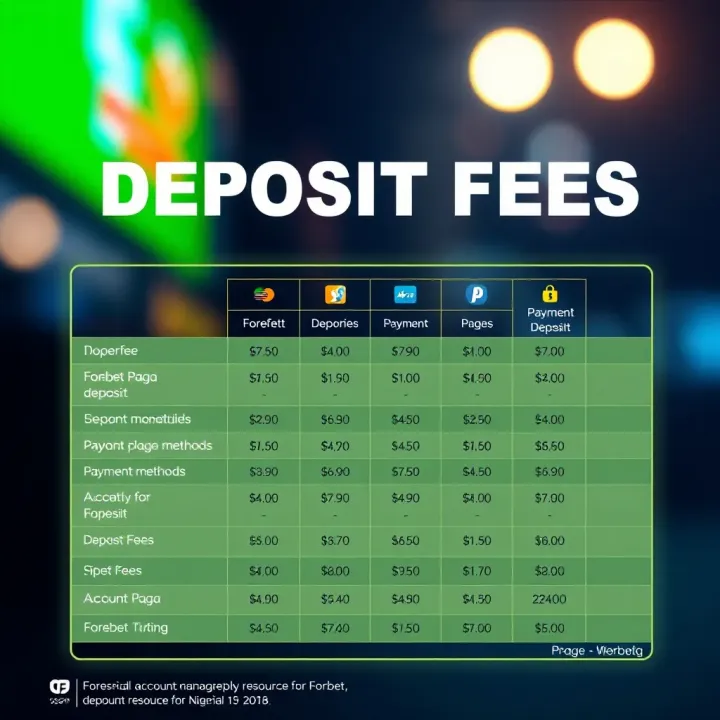
By keeping an eye on the fee structures and choosing the right payment channels, Nigerian Forebet Paga users can avoid losing funds to steep charges and manage their betting bankroll more efficiently.
Selecting the right deposit method on Forebet Paga is key to managing costs effectively and ensuring smooth funding of your account. Different options come with varying charges and processing speeds, so understanding these can help you avoid unnecessary fees and delays. This section breaks down the common deposit channels Nigerian users typically use, highlighting the practical charges and benefits involved.
Bank transfers remain one of the most popular ways to fund Forebet Paga accounts across Nigeria. Most major banks charge a small flat fee or a percentage of the amount transferred, usually ranging between ₦50 and ₦150. For example, a ₦10,000 transfer might attract a ₦100 fee depending on your bank’s policies. The advantage here is that bank transfers are trusted and traceable, but the charges can add up if you deposit frequently.
USSD deposits offer a convenient alternative, especially for users without smartphones or stable internet. By dialling specific USSD codes provided by Forebet Paga or their payment partners, users can fund their accounts directly from their mobile money or bank accounts. While USSD fees vary by network operator, typical charges hover around ₦50 to ₦100 per transaction. The convenience of on-the-go deposits without internet outweighs a slightly higher fee for many users.
Funding your Forebet Paga account via mobile money wallets such as OPay, PalmPay, or similar platforms has grown in popularity. These services usually charge a small fee, sometimes a fixed amount or a percentage, roughly ₦100 to ₦200 per transaction. However, what you gain is speed and flexibility; deposits are processed almost instantly, and you don’t need to visit a bank or enter lengthy details.
Speed and reliability are vital, especially when timing matters, such as just before a match or bet expiry. Mobile money platforms are generally consistent, but occasional network downtimes can affect experience. That said, most users find these channels efficient enough to justify modest fees, especially when quick deposits are necessary.
Using debit or credit cards to deposit on Forebet Paga often attracts higher fees compared to bank transfers or mobile wallets. Card processors may charge between 1.5% and 3% of the transaction value. For instance, a ₦5,000 card deposit could carry about ₦75 to ₦150 in fees. This method suits users who prefer the convenience of cards but may not be cost-effective for larger or frequent deposits.
Other deposit options available in Nigeria include POS terminals at agent locations, direct transfers via fintech platforms like Paystack or Flutterwave, and occasionally cash deposits at partnered spots. Agents typically charge a small service fee, which differs by location, sometimes around ₦100. These alternatives cater to users without access to online banking or cards, offering useful flexibility even if the fees vary slightly.
Choosing the right deposit method depends on balancing fee costs, convenience, and speed according to your needs. For most Nigerian Forebet Paga users, understanding these options can significantly cut down on unnecessary charges while ensuring smooth, timely funding.
Managing deposit fees wisely can save you a fair amount of naira when funding your Forebet Paga account. This is particularly relevant in Nigeria where every kobo counts due to fluctuating exchange rates and service charges that pile up if ignored. Knowing how to reduce or avoid these charges means more money stays in your pocket, allowing for higher betting stakes or longer play.
When it comes to deposit fees, not all payment channels are created equal. Some options, like USSD or bank transfers, often have fixed fees or low percentages, while using certain mobile money platforms or card payments might attract higher charges. Comparing these fees is crucial before deciding how to fund your account.
For example, funding via a USSD code from your bank might cost a flat ₦50, regardless of amount, which could be better than a 2% charge on a ₦10,000 deposit via mobile money. Take the time to review fees each payment channel imposes and match them to your usual deposit size for better value.
Besides fees, convenience plays a big role. If a lower-fee method is complicated or unreliable, it may end up costing you more in time or failed transactions. Finding a balance between cost and convenience suits your lifestyle best.
Sometimes, Forebet Paga or their payment partners run promotions that waive or reduce deposit fees for limited periods. Staying alert to these offers can save you a decent sum, especially if you plan to deposit larger amounts.
For instance, a ₦500,000 deposit during a fee waiver promo saves you up to ₦10,000 or more, money you can use for extra bets. It helps to subscribe to Forebet Paga updates or check their social media channels often for such deals.
On the flip side, avoid peak times such as ember months or paydays when transaction volumes surge. Banks and payment platforms might hike fees or slow processing due to demand. Depositing during off-peak hours can mean lower fees and smoother transactions.
Always plan your deposit timing and choice wisely to stretch your naira further and enjoy uninterrupted betting fun.
By being deliberate about your payment method and the timing of your deposits, you get to dodge unnecessary expenses and enjoy better value on Forebet Paga.
When dealing with Forebet Paga deposit fees, Nigerian users should pay attention to some extra factors that can significantly influence the overall cost and experience. This section highlights how naira exchange rates affect deposits and the importance of security and compliance with regulatory standards. Understanding these aspects helps users avoid unnecessary charges and ensures safer transactions.
The naira’s fluctuating value against foreign currencies often affects deposit costs on platforms like Forebet Paga. When the naira weakens, foreign currency transactions become more expensive to convert, meaning users might end up paying higher fees or receiving less value for their deposits. For example, if you fund your account using US dollars, the conversion rate applied could reduce your naira balance, effectively increasing your deposit cost.
Conversely, consistently using local currency for deposits helps minimise such risks. Paying in naira avoids extra conversion fees and exchange rate losses, making your deposits more predictable. However, in some cases, using foreign currencies might be unavoidable—especially if certain deposit methods or offers only support external currencies. It pays to check the exchange rates before depositing and compare whether local currency funding is cheaper or not.
Making safe transactions should be a top priority for Forebet Paga users. Always ensure that the payment platform or bank you’re using for deposits is legitimate and well-known in Nigeria, such as GTBank, Access Bank, or popular e-wallets like OPay and PalmPay. Be wary of unsolicited payment requests or unofficial agents that may attempt to access your account details or steal funds. Using secure internet connections and avoiding public WiFi for transactions further protects you.
The Central Bank of Nigeria (CBN) provides clear guidelines to regulate digital payments and protect consumers. Among these, limits on daily transaction amounts and required customer verification via Bank Verification Number (BVN) help reduce fraud. Additionally, CBN mandates transparent disclosure of all fees related to deposits to prevent hidden charges. Forebet Paga usually complies with these rules to keep user deposits secure and transparent. Familiarise yourself with CBN policies to spot and report any irregularities quickly.
Secure and well-regulated deposit methods not only protect your money but also save you from unexpected fees and scams.
By considering naira exchange rate fluctuations and adhering to security and regulatory standards, Nigerian users can manage their Forebet Paga deposits more effectively and cost-efficiently.
For many Nigerian users, deposit fees on Forebet Paga can occasionally appear higher than expected. Troubleshooting these fee issues is vital to avoid losing unnecessary funds, especially since small percentage changes or hidden charges can add up over multiple transactions. Addressing these problems promptly ensures you understand the exact cost breakdown and prevents avoidable surprises in future deposits.
Whenever you notice an unusual deduction or suspect extra fees, the first step is to review your transaction receipt carefully. Transaction receipts provide details such as the exact amount deducted, fees charged, and sometimes even the fee percentage or fixed charge. For example, if you deposited ₦10,000 but the receipt shows a fee of ₦500, and you were expecting around ₦100–₦150, then something might not be right. Keep a screenshot or a digital copy of these receipts for easy reference.
Receipts can also help you identify whether the fee came from Forebet Paga itself or a third-party payment provider like your bank or e-wallet. Sometimes, banks or platforms add convenience or processing fees beyond what Forebet Paga charges, so it pays to check all entities involved in the transaction.
If after checking your receipt the fees still seem off, the next step is to get in touch with Forebet Paga support. They can clarify if there have been recent changes to their fee structure or if your specific transaction had unusual charges. Forebet Paga usually offers help via chat or customer service numbers.
At the same time, it’s wise to contact your payment service — this could be your bank, mobile money provider (such as OPay or PalmPay), or card issuer. Sometimes, these platforms introduce their own fees without clear prior notice. Getting confirmation from both sides often resolves confusion quickly. For example, a customer might find their card issuer charges a foreign transaction fee if the deposit is processed through an overseas payment gateway.
If your review shows fees that seem unjustified, you can formally dispute these charges. Start by gathering all proof: transaction receipts, screenshots, and any communication with Forebet Paga or payment platforms. Then, submit a clear dispute request through Forebet Paga’s official channels, specifying why the fee looks incorrect and attaching your evidence.
Where relevant, you can escalate the matter to your bank or payment provider’s dispute resolution team. Nigerian banks typically have processes to investigate such complaints, sometimes freezing or reversing fees while they check internally. Disputes resolved in your favour usually mean a refund or fee adjustment.
Refunds for disputed deposit fees may not be immediate. Usually, Forebet Paga or the payment provider will investigate the issue, which can take from a few days up to two weeks depending on the complexity. During this period, keep in touch with their support teams to track progress.
Once approved, refunds generally return to the same payment method you used. For example, if you deposited with a debit card, expect the refund to reflect on your card statement after processing by your bank. It’s a good idea to check this regularly and keep documentation until the matter fully resolves.
Tip: Always confirm whether refund policies cover deposit fees specifically — some providers only refund promotional bonuses or principal amounts, so it helps to clarify before starting the dispute.
By understanding these troubleshooting steps, Nigerian Forebet Paga users can confidently manage fees, avoid losing money to unnoticed charges, and keep their account deposits transparent and fair.
Learn how much Forebet Paga charges for withdrawals in Nigeria 💰, how to cut costs, compare fees with other methods, and master the easy withdrawal steps today!
⚽ Learn how to handle Forebet deposits and withdrawals smoothly in Nigeria. Get tips on payment options, transaction times, limits, and staying secure while betting ₦ easily.

Learn how Nigerian users can smoothly fund their Forebet accounts via bank deposits 💳. Get clear steps, avoid delays, steer clear of scams, and handle common hiccups easily.
🔒 Learn how to fund your Forebet account in naira easily with local payment methods like bank transfer and USSD. Get tips on fees, safety, and quick troubleshooting here!
Based on 8 reviews